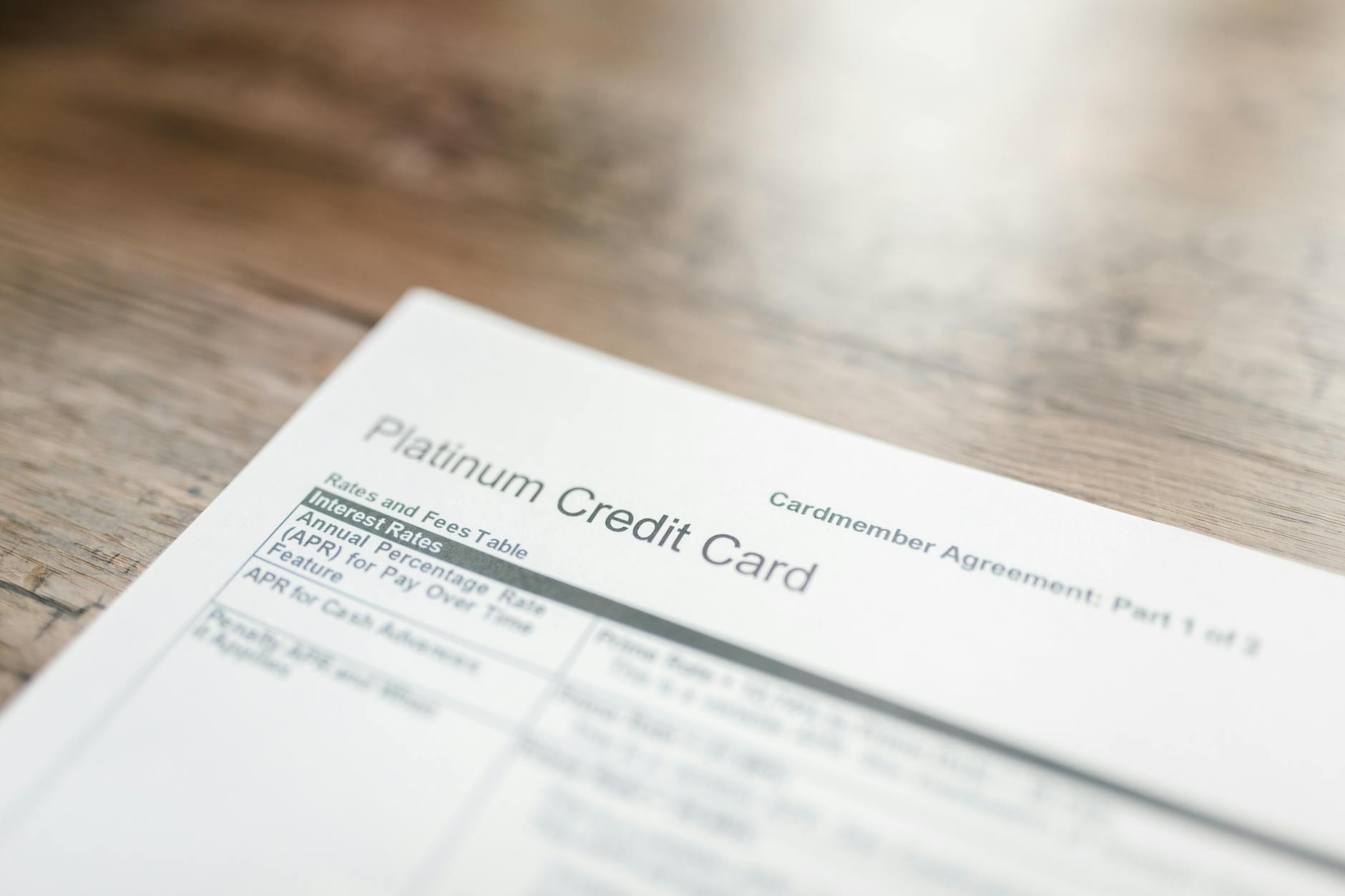
What Is the VAT Flat Rate Scheme?
The VAT Flat Rate Scheme (FRS) is HMRC's simplified way of accounting for VAT. Instead of calculating the difference between the VAT you charge your customers (output tax) and the VAT you pay your suppliers (input tax), you pay HMRC a fixed percentage of your VAT-inclusive turnover. The percentage depends on your business sector.
You still invoice customers at the normal 20% VAT rate. The flat rate only changes what you pay HMRC, not what you charge. You keep the difference between the 20% you collected and the flat percentage you hand over, and in theory that difference covers the input VAT you can no longer reclaim. Whether it actually does depends entirely on your cost base and your sector rate, which is why we run the calculation both ways for every client who asks.
HMRC publishes more than 50 sector rates, from 4% for retailers of food and children's clothing up to 14.5% for accountancy, IT consultancy, legal services and labour-only construction. A business whose activity is not listed uses the catch-all 12% rate. The full list is on the GOV.UK flat rate percentages page.
Who Can Join, and Who Cannot
You can apply to join if you are VAT-registered and you expect your VAT taxable turnover in the next 12 months to be £150,000 or less, excluding VAT. You apply when you first register for VAT, or later using form VAT600 FRS.
HMRC will not let you join if any of the following apply:
- You left the scheme in the last 12 months
- You committed a VAT offence (such as evasion) in the last 12 months
- You joined, or were eligible to join, a VAT group in the last 24 months
- You registered for VAT as a division of a larger business in the last 24 months
- Your business is closely associated with another business
- You use a margin scheme (common for second-hand goods dealers) or the Capital Goods Scheme
- You use the VAT Cash Accounting Scheme (the flat rate scheme has its own cash-based turnover method instead)
Note the first one: the often-repeated claim that you are locked in for 12 months once you join is not the rule. You can leave whenever you want by writing to HMRC. The 12-month rule works the other way round: once you leave, you cannot rejoin for 12 months.
The Flat Rate Percentages by Sector
The rate is set by your main business activity. A selection of the most common rates, verified against GOV.UK:
| Sector | Flat rate |
|---|---|
| Retailing food, confectionery, newspapers or children's clothing | 4% |
| Post offices | 5% |
| Farming or agriculture not listed elsewhere; pubs | 6.5% |
| Retailing other goods; wholesaling food | 7.5% |
| Retailing pharmaceuticals, medical goods, cosmetics; membership organisations | 8% |
| Printing; repairing vehicles; wholesaling not listed elsewhere; sport or recreation | 8.5% |
| Manufacturing food; packaging; manufacturing yarn, textiles or clothing | 9% |
| General building or construction services (materials supplied); hiring or renting goods | 9.5% |
| Transport or storage, including couriers, freight, removals and taxis | 10% |
| Hotel or accommodation; computer repair; travel agency; forestry or fishing | 10.5% |
| Advertising; photography; publishing; veterinary medicine; social work; agricultural services | 11% |
| Estate agency or property management; laundry or dry-cleaning; any other activity not listed | 12% |
| Catering, including restaurants and takeaways; entertainment or journalism | 12.5% |
| Film, radio, television or video production; hairdressing or beauty treatment; secretarial services | 13% |
| Financial services | 13.5% |
| Real estate activity not listed elsewhere | 14% |
| Accountancy or book-keeping; computer and IT consultancy or data processing; management consultancy; legal services; architect, surveyor or engineer; labour-only building or construction | 14.5% |
| Limited cost business (any sector) | 16.5% |
Two rates trip people up because older articles still quote the pre-April-2022 temporary figures: hotel and accommodation is 10.5% (not the pandemic-era 6.5%), and catering is 12.5%. If you do mixed work, you use the rate for the activity that generates most of your turnover, and you review that choice at each anniversary.
The First-Year 1% Discount
If you are in your first year as a VAT-registered business, you take 1% off your flat rate. An IT consultant on 14.5% pays 13.5%; a builder on 9.5% pays 8.5%. The discount runs until the day before the first anniversary of your VAT registration, not for 12 months from joining the scheme, so a business that joins the FRS six months after registering only gets six months of discount.
Contrary to a widespread myth, the discount also applies to the limited cost business rate: a limited cost trader in its first year of VAT registration pays 15.5% rather than 16.5%. HMRC's own worked example in its flat rate scheme guidance confirms this.
The Limited Cost Trader Rule: the 16.5% Trap
Since April 2017, a "limited cost business" (usually called a limited cost trader) must use 16.5% regardless of sector. You are a limited cost trader in any VAT period where your VAT-inclusive spending on relevant goods is either:
- less than 2% of your VAT-inclusive turnover, or
- more than 2% of turnover but still less than £1,000 a year.
So you need to pass both legs: goods of at least 2% of turnover AND at least £1,000 a year. "Relevant goods" means physical goods used exclusively for the business. The test excludes:
- Capital expenditure goods of any value (the van, the laptop, the machinery)
- Food or drink for you or your staff
- Vehicle costs including fuel, unless you operate in the transport sector with your own or a leased vehicle
- Goods for resale, leasing, letting or hiring out
- Services of any kind: software subscriptions, accountancy fees, rent, insurance, subcontractors
Worked example. A marketing consultant in Leeds turns over £84,000 including VAT this year. The 2% test line is £84,000 x 2% = £1,680. She spends £900 on printed materials and office consumables, her only relevant goods. £900 is below £1,000, so she is a limited cost trader. Suppose she doubled that spend to £1,400: she now passes the £1,000 leg but £1,400 is still below the £1,680 2% line, so she remains a limited cost trader. Only at £1,680 or more of qualifying goods would her 12% sector rate apply.
The trap in plain numbers: 16.5% of VAT-inclusive turnover is 16.5% x 1.2 = 19.8% of your net turnover. You collect 20% and pay away 19.8%, keeping just 0.2% of net sales in exchange for giving up every input VAT reclaim except large capital items. That is why most labour-only contractors, consultants and freelancers left the scheme after 2017, and why you should check the test before joining. You self-assess the test each VAT period; getting it wrong means backdated VAT and possible penalties, and HMRC can go back four years.
Flat Rate vs Standard VAT: the Break-Even Maths
The comparison always comes down to one question: is the margin you keep under the flat rate bigger than the input VAT you give up? For a full decision guide see our flat rate VAT vs standard VAT comparison; the mechanics are below.
| Standard VAT accounting | Flat Rate Scheme | |
|---|---|---|
| What you pay HMRC | Output VAT minus input VAT | Flat rate % x VAT-inclusive turnover |
| Input VAT on purchases | Reclaimable | Not reclaimable, except single capital purchases of £2,000+ including VAT |
| Record-keeping | Every purchase invoice matters | Turnover only, for the calculation |
| Best suited to | Businesses with meaningful VATable costs | Low-cost businesses on a sector rate well below 16.5% |
Break-even worked example. An IT consultant bills £60,000 net (£72,000 including VAT) a year on the 14.5% rate.
Flat rate payable: £72,000 x 14.5% = £10,440.
Standard accounting: output tax is £12,000, so the two schemes cost the same when input VAT is £12,000 - £10,440 = £1,560 a year, which is 2.6% of net turnover.
If her reclaimable input VAT is below £1,560 (costs of under £7,800 net a year on standard-rated purchases), the flat rate wins; above it, standard accounting wins. In her first registration year at 13.5% the flat rate payment drops to £72,000 x 13.5% = £9,720 and the break-even rises to £2,280 of input VAT.
Run the same numbers at the 16.5% limited cost rate: £72,000 x 16.5% = £11,880, so the break-even collapses to £12,000 - £11,880 = £120 of input VAT a year. Almost any real business beats that under standard accounting. A quarterly version: on £36,000 VAT-inclusive turnover, output tax is £6,000, the 16.5% flat rate charge is £5,940, and just £300 of quarterly input VAT (services included, which standard accounting does reclaim) makes standard accounting £240 cheaper.
Where the scheme still clearly pays. Marcus runs a building firm in Sheffield doing materials-and-labour work on the 9.5% rate. Quarterly VAT-inclusive turnover £48,000; materials £18,000 including VAT; services £6,000 including VAT. Standard accounting: output tax £48,000 x 20/120 = £8,000, input tax (£18,000 + £6,000) x 20/120 = £4,000, net payable £4,000. Flat rate: £48,000 x 9.5% = £4,560. The scheme costs him £560 a quarter because his input VAT is high, so he stays on standard accounting. Flip the cost base and the answer flips: a labour-only subcontractor with the same turnover buys few materials, but labour-only construction carries the 14.5% rate and usually fails the limited cost test anyway, landing at 16.5%. Builders on the flat rate should also note that domestic reverse charge construction sales are excluded from flat rate turnover, which weakens the scheme's case further in construction.
Free VAT and Making Tax Digital tool
Compare VAT schemes and find the right one
Our interactive tool is designed for a larger screen. Leave your details and a specialist will send your figure and the next sensible step, with no obligation.
Compare VAT schemes and find the right one
Skip the spreadsheet. Tell us about your situation and a specialist will review your position and the next sensible step, with no obligation.
Who Wins and Who Loses by Sector
Usually wins: businesses with a low sector rate and genuinely low VATable costs. Food and children's-clothing retailers at 4% sell mostly zero-rated goods while paying only 4% of gross takings. Transport and courier businesses at 10% can count vehicle fuel as relevant goods, so they often escape the limited cost test. Pubs at 6.5% and caterers at 12.5% with wet-led, low-input models can also come out ahead.
Usually loses: service businesses whose costs are services rather than goods. IT consultants, accountants, management consultants, designers and marketing agencies almost always fail the relevant goods test, land on 16.5%, and keep only 0.2% of net turnover for giving up all input recovery. For them the scheme is a record-keeping convenience at best, and a cost at worst.
Depends on the numbers: builders (materials percentage decides it), hotels and B&Bs at 10.5%, printers at 8.5%, and anyone whose input VAT sits near the break-even percentages above. If your input VAT is more than about half your output VAT, standard accounting wins by a distance; if it is under a tenth and you are not a limited cost trader, the flat rate is worth modelling. Our calculators can help you compare both routes with your own figures.
Joining, Leaving and the £230,000 Ceiling
Join: apply at VAT registration or later via form VAT600 FRS, provided expected VAT taxable turnover is £150,000 or less excluding VAT. If your turnover is only approaching the £90,000 registration threshold, start with our guide to the VAT threshold; registration comes first, the scheme choice second.
Leave, voluntarily: any time, by writing to HMRC. You revert to standard accounting from the agreed date, and you cannot rejoin the scheme for 12 months.
Leave, compulsorily: at each anniversary of joining you look back at your total VAT-inclusive income for the year just ended (excluding sales of capital assets). If it is more than £230,000, you must leave. You must also leave immediately if you expect your total income in the next 30 days alone to exceed £230,000. HMRC can additionally remove you if it decides your sector classification is wrong or the scheme is being abused.
On leaving, remember the capital-assets adjustment: if you reclaimed input VAT on a £2,000+ capital purchase while on the scheme and still hold the asset, the VAT position may need adjusting. It is usually a small number, but it is one HMRC checks.
How the Scheme Interacts with MTD and Your VAT Return
The flat rate scheme does not exempt you from Making Tax Digital. MTD for VAT has applied to all VAT-registered businesses since April 2022, whatever their turnover, so you still need MTD-compatible software (Xero, FreeAgent and QuickBooks all handle flat rate calculations natively) and you still file the same quarterly VAT return. The scheme simplifies the calculation inside the return, not the filing obligation around it.
Your invoices do not change either. You charge 20% VAT as normal, and your VAT-registered customers reclaim that full 20% as their input tax. The flat rate is purely between you and HMRC.
Common Mistakes We See
Missing the limited cost trader test. The most common error by far. A business joins on its 12% or 14.5% sector rate, never re-runs the 2%/£1,000 goods test, and builds up four years of underpaid VAT that HMRC can assess with interest.
Using a stale sector rate. The hospitality rates changed back in April 2022, and older guides still circulate the temporary figures. Check the current rate on GOV.UK before you file, not a rate from a 2021 blog post.
Applying the flat rate to the wrong turnover. The percentage applies to VAT-inclusive turnover, including zero-rated and exempt income in most cases, not to your net sales. Applying 14.5% to net turnover understates the bill by a sixth.
Miscounting the first-year discount. The 1% reduction runs from VAT registration to the day before its first anniversary. Businesses that join the scheme late in their first year sometimes claim a full 12 months of discount; HMRC's clock started earlier.
Missing the anniversary check. The £230,000 leaving test runs at each anniversary of joining. Breach it and stay on the scheme, and you will be accounting for VAT on the wrong basis from the date you should have left.
Should You Use the Flat Rate Scheme?
Run the break-even calculation before deciding, not after. If you are a limited cost trader, the honest answer is that the scheme buys you slightly simpler record-keeping for roughly nothing, and often for a real cost. If you are on a genuine sector rate well below 16.5% and your input VAT sits below the break-even line, it delivers both simplicity and a saving.
Our team at Holloway Davies models both routes with clients' actual purchase invoices before recommending either one. If you are registering for VAT now or questioning whether the scheme still pays, get in touch and we will run your numbers.