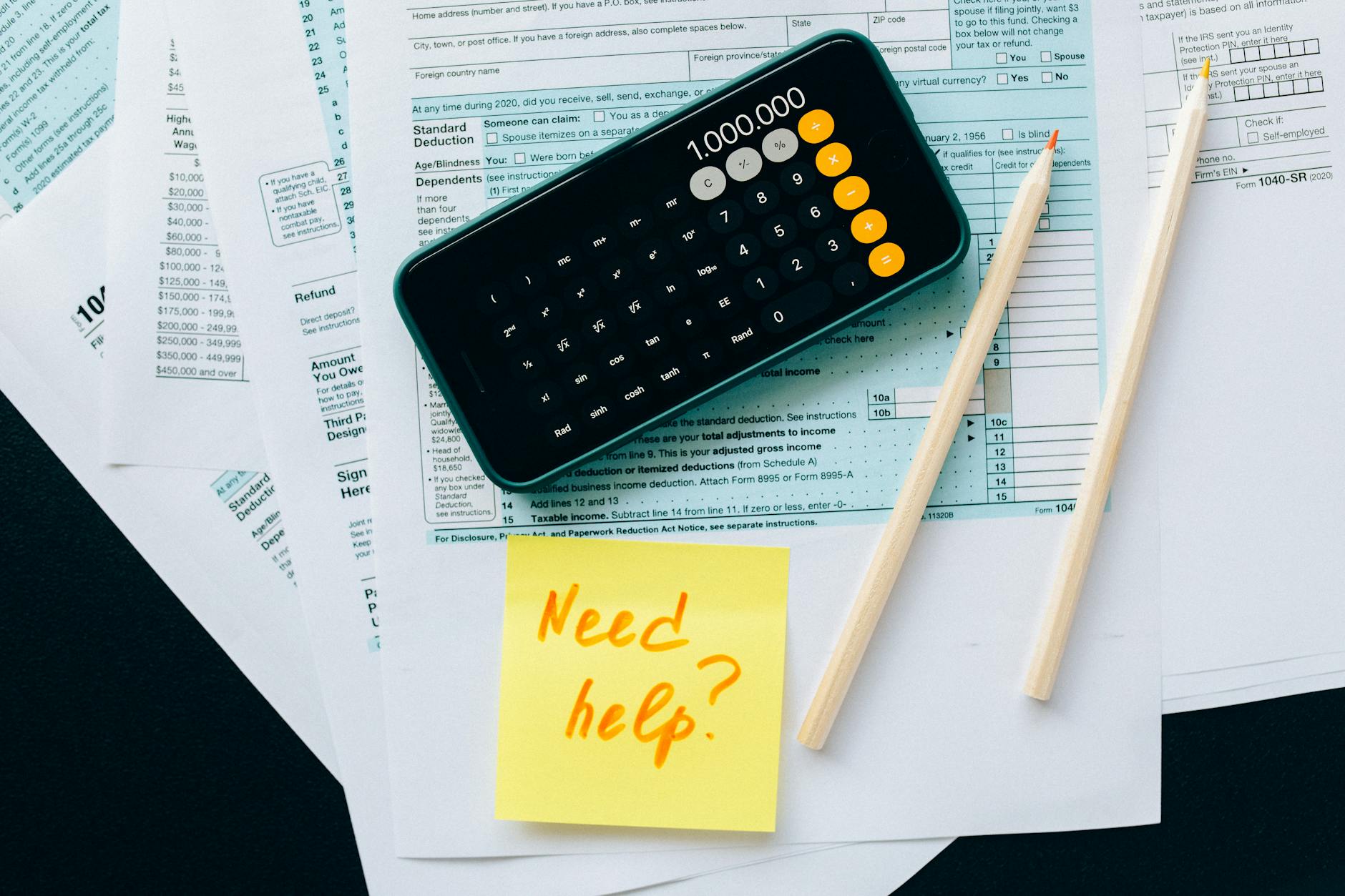
If you sell handmade goods, vintage items, or craft supplies on Etsy, your income is taxable. It doesn't matter if you run it as a side hustle or a full-time business. HMRC expects you to report it.
Many Etsy sellers start by handling their own accounts. You track sales in a spreadsheet, log expenses, and file a self assessment return each January. That works fine when turnover is low. But as your shop grows, the tax rules get more complex. That is where a specialist accountant for Etsy sellers becomes useful.
We are Holloway Davies, a specialist accountancy firm based in the UK. We work with Etsy sellers who have grown past the spreadsheet stage. This article explains what an Etsy accountant does, when you need one, and how to choose the right firm.
Do You Actually Need an Accountant for Etsy?
Legally, no. You can file your own self assessment return using HMRC's free online service or commercial software like GoSimpleTax or FreeAgent. Many sellers do exactly that for years.
But there is a difference between filing a return and filing one that is tax-efficient. A good accountant for Etsy sellers does more than just submit numbers. They help you structure your business to pay less tax, avoid penalties, and plan for growth.
Here are the situations where you should seriously consider hiring one:
- Your Etsy turnover exceeds £1,000 in a tax year. (This is your trading allowance threshold. Above it, you must register with HMRC and file a return.)
- You sell physical goods and hold stock. Valuing stock correctly for your accounts and tax return is not as simple as counting boxes.
- You buy materials from overseas suppliers. Currency conversion, import VAT, and customs duties all affect your costs.
- You sell digital products or printables. The VAT rules for digital services sold to EU customers are different from physical goods.
- You are unsure whether you should register as a sole trader or set up a limited company.
- HMRC has opened an enquiry into your return. This is stressful and time-consuming to handle alone.
- Your turnover is approaching or has passed £90,000. That is the VAT registration threshold. Missing it is a costly mistake.
If any of those apply to you, it is worth speaking to an accountant. The cost is typically £200 to £500 per year for a sole trader Etsy seller. The tax savings and peace of mind usually outweigh that fee.
What Does an Etsy Accountant Actually Do?
The role goes beyond filing your self assessment. Here is what a good accountant for Etsy sellers will handle:
1. Self Assessment Returns
They prepare and file your SA100 (self assessment) and, if needed, the SA103 (self-employment pages). They ensure all income from Etsy, other marketplaces (Folksy, Not on the High Street, eBay), and any other sources is declared.
They also check that you are claiming all allowable expenses. Common ones Etsy sellers miss include:
- Postage and packaging costs (including the Etsy transaction fee on postage)
- Etsy listing fees, transaction fees, and payment processing fees
- Materials and supplies
- A proportion of your home costs (internet, heating, electricity, rent or mortgage interest) if you work from home
- Equipment costs (camera for product photos, printer, computer, tools)
- Software subscriptions (Adobe, Canva Pro, accounting software)
- Bank charges on your business bank account
2. VAT Registration and Returns
If your Etsy turnover hits £90,000 in a rolling 12-month period, you must register for VAT. This is a common trigger point for Etsy sellers. An accountant will help you decide whether to use the Flat Rate Scheme (if you are eligible) or standard VAT accounting. They will also file your quarterly VAT returns under Making Tax Digital.
For sellers of physical goods to EU customers, post-Brexit VAT rules apply. Your accountant can advise on whether you need to register for VAT in an EU member state or use Etsy's IOSS (Import One Stop Shop) scheme.
3. Business Structure Advice
Most Etsy sellers start as sole traders. That is the simplest structure. But as profits grow, a limited company can be more tax-efficient. Your accountant can model both scenarios and show you the net take-home pay difference.
For example, a sole trader making £50,000 profit pays around £7,500 in income tax and around £2,250 in Class 4 NIC (6% on profits above £12,570 up to £50,270). The same profit taken as salary and dividends through a limited company could save over £2,000 per year. That saving grows as profits increase.
If you decide to incorporate, we have a guide on incorporation and structure that explains the process.
4. Stock and Cost of Goods Sold (COGS)
Etsy sellers often hold stock. Your accountant will help you track your opening and closing stock values. This directly affects your gross profit and your tax bill. Incorrect stock valuation is one of the most common errors HMRC finds in small business returns.
5. HMRC Enquiries and Compliance
If HMRC opens an enquiry into your return, your accountant handles the correspondence. They prepare the evidence, respond to questions, and negotiate where needed. This is not something you want to manage yourself.
How to Choose an Accountant for Etsy Sellers
Not all accountants understand Etsy. A general practice accountant might know tax law but not the specific quirks of selling on a marketplace. Here is what to look for:
They Understand Etsy Fees
Etsy charges listing fees, transaction fees (currently 6.5%), payment processing fees (3% + £0.25), and offsite ads fees (12% or 15%). A good accountant knows these are all deductible expenses. They will ask for your Etsy payment and fee reports, not just your bank statements.
They Know the VAT Rules for Marketplaces
If you sell to EU customers, Etsy handles VAT collection on some transactions but not all. The rules depend on whether you sell physical goods, digital products, or services. A specialist accountant will know when you need to register for VAT in another country and when Etsy's IOSS scheme covers you.
They Hold a Recognised Professional Qualification
Qualification matters. An ACCA-qualified accountant has passed rigorous exams and follows a professional code of conduct. They also carry professional indemnity insurance. That protects you if they make a mistake.
We have experience working with creative businesses, including Etsy sellers, makers, and designers.
They Use Modern Software
Your accountant should use cloud-based accounting software like Xero, FreeAgent, or QuickBooks. These tools connect directly to your Etsy shop and bank account, automating much of the data entry. If your accountant still asks for paper receipts in a shoebox, look elsewhere.
They Offer a Fixed Fee
Ask upfront what the annual fee covers. Many accountants charge a fixed monthly or annual fee for self assessment, VAT returns, and year-end accounts. Avoid firms that bill by the hour for routine work. You want predictable costs.
Free Sole trader and self-employment tool
Calculate your take-home pay as a sole trader
Our interactive tool is designed for a larger screen. Leave your details and a specialist will send your figure and the next sensible step, with no obligation.
Calculate your take-home pay as a sole trader
Skip the spreadsheet. Tell us about your situation and a specialist will review your position and the next sensible step, with no obligation.
What Does an Etsy Accountant Cost?
Fees vary by location and complexity. Here are typical ranges for UK Etsy sellers:
- Sole trader, simple return (no stock, low turnover): £200 to £400 per year
- Sole trader with stock and expenses: £400 to £700 per year
- Limited company Etsy seller: £800 to £1,500 per year
- VAT registration and quarterly returns: £300 to £600 per year extra
These fees are tax-deductible. You can claim the cost as an expense on your next return.
When Should You Hire an Accountant?
The best time is before you need one. If you are approaching the VAT threshold, planning to incorporate, or expecting your first HMRC enquiry, that is the moment to get professional help.
But even if your shop is small, a one-off consultation can be valuable. A good accountant for Etsy sellers can review your current setup, identify missed deductions, and recommend a structure that saves you tax going forward. That single session often pays for itself.
If your Etsy turnover crossed £1,000 in the last tax year and you have not registered with HMRC, do it now. The deadline for registering is 5 October following the end of the tax year in which you started trading. Missing it means a penalty.
How We Can Help
At Holloway Davies, we work with Etsy sellers across the UK, from a potter in the Lake District to a printmaker in Manchester's Northern Quarter. The guidance here is written against current HMRC rules and reviewed before publication, and the call connects you with a qualified accountant on our partner team.
We handle self assessment, VAT, payroll (if you hire staff or use a packing assistant), and limited company accounts. We use Xero and FreeAgent to connect directly to your Etsy shop, so you do not need to send us spreadsheets every month.
If you want to discuss your Etsy business and see if we are a good fit, get in touch. We offer an initial consultation to understand your shop, your goals, and whether we can help you keep more of what you earn.