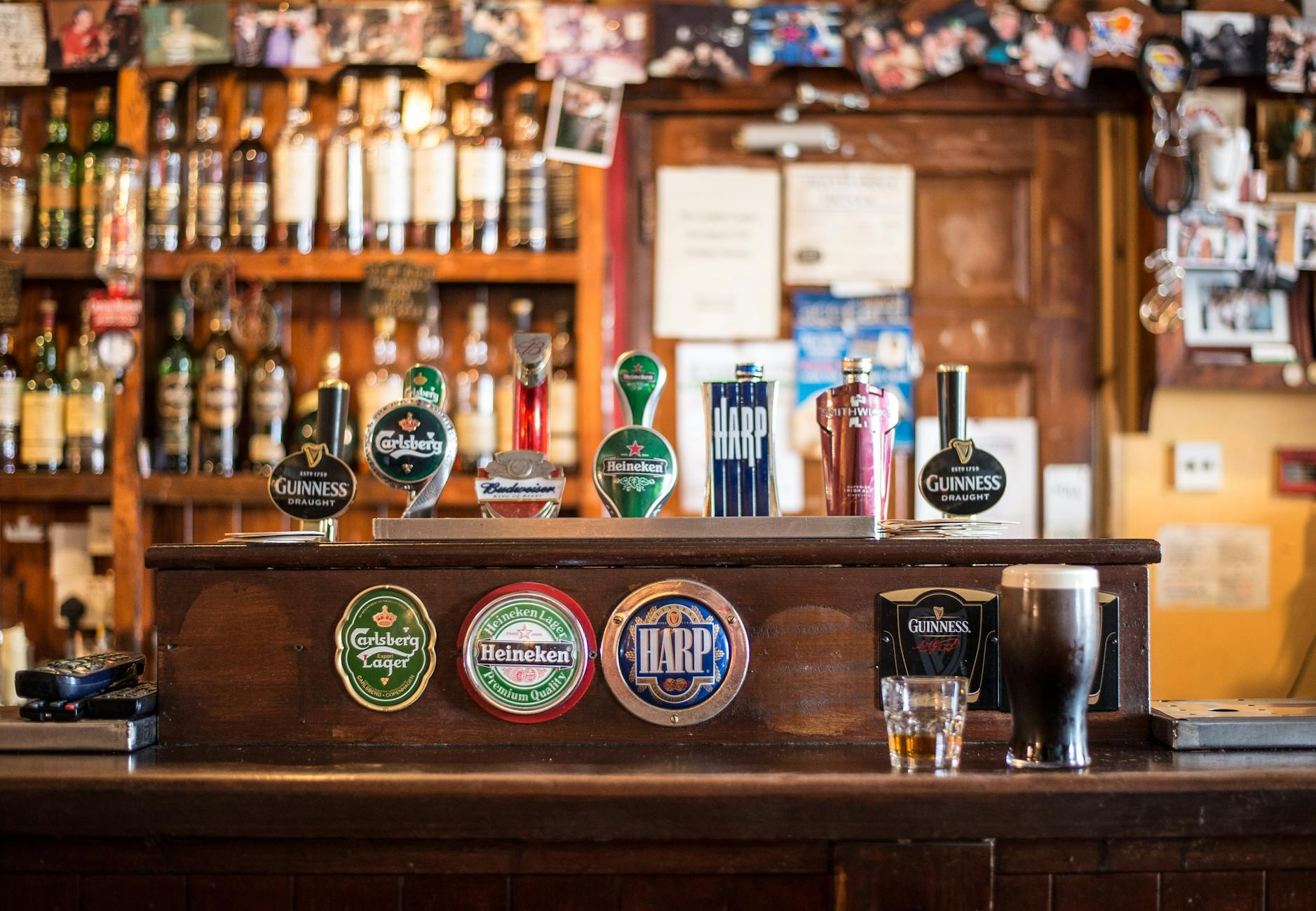
Running a pub or bar in the UK is a business like no other. You deal with wet sales and dry sales, fluctuating VAT rates, casual staff on zero-hours contracts, and stock that can vanish faster than you can reconcile it. The wrong accountant will file your returns late, miss reliefs you are entitled to, and treat your pub like any other high street shop.
A specialist accountant for pubs understands the hospitality sector inside out. They know the difference between a pint of lager and a bottle of wine for VAT purposes. They know how to structure your payroll when your bar staff work six hours one week and twenty the next. And they know how to keep your margins healthy when energy costs and duty rates keep climbing.
This guide covers what a pub accountant should do for you, the specific tax and compliance issues pubs face, and how to pick the right one.
Why Pubs and Bars Need a Specialist Accountant
Pubs operate on thin margins. The British Beer and Pub Association estimates the average pub makes around 10p to 12p profit on a pint. That leaves no room for expensive mistakes on your tax returns or missed deadlines.
A general accountant who handles a mix of tradespeople, freelancers, and ecommerce businesses will not know the ins and outs of the hospitality sector. They might not realise that the VAT rate on soft drinks differs from alcoholic drinks. They might not know that hot takeaway food is standard-rated at 20% while cold takeaway food is generally zero-rated. They might not understand how to handle tips and tronc schemes.
A specialist accountant for pubs brings sector-specific knowledge. They will have other hospitality clients. They will know the common pitfalls. And they will save you money by structuring your affairs correctly from day one.
Key Tax and Compliance Issues for UK Pubs and Bars
VAT on Wet and Dry Sales
VAT is the single biggest area where pubs get caught out. The standard rate of 20% applies to most sales. But there are exceptions.
- Alcoholic drinks served on the premises: 20% VAT.
- Soft drinks and mixers: 20% VAT.
- Hot takeaway food (pies, pasties, jacket potatoes): 20% standard rate (the 12.5% temporary hospitality rate ended 31 March 2022).
- Crisps, nuts, and packaged snacks: 20% VAT.
- Cold takeaway food (sandwiches, salads): zero-rated.
- Accommodation if you have letting rooms: 20% VAT.
Get the rate wrong and HMRC can issue penalties. A good accountant will set up your point-of-sale system to apply the correct rates automatically. They will also check whether you can use the Flat Rate Scheme, though the limited cost trader rules mean many pubs are better off on standard VAT accounting.
If your turnover is approaching or has passed the £90,000 VAT registration threshold (rolling 12-month basis), you need to act. A specialist accountant will tell you exactly when to register and how to handle the transition.
PAYE and Payroll for Casual Staff
Pubs rely on part-time and casual staff. Bar staff, kitchen porters, and waiting staff often work irregular hours. Getting payroll right is essential.
You must operate PAYE for all employees. That means deducting income tax and National Insurance from their wages and reporting it to HMRC in real time through RTI (Real Time Information).
If you use a tronc scheme (a system for distributing tips and service charges among staff), the rules are different. Tronc payments distributed through a tronc master are not subject to employer NI. But you need a formal tronc agreement in place. An accountant who understands hospitality will set this up correctly.
You also need to handle holiday pay correctly. Casual workers are entitled to 5.6 weeks of paid holiday per year, calculated on a pro-rata basis. The government introduced rolled-up holiday pay for irregular hours workers from April 2024, which simplifies things. But you need to know the rules.
Stock Control and Gross Profit Margins
Stock is where pubs leak money. The industry benchmark for acceptable stock loss is around 1% to 2% of turnover. Anything above that means you are pouring profit down the drain through over-pouring, spillage, theft, or poor ordering.
A good accountant will not just file your returns. They will help you set up stock control systems. They will review your gross profit margins on wet and dry sales separately. They will flag when your GP drops below industry averages and suggest corrective action.
Many pubs use dedicated stock management software like InnPOS, Miura, or S4labour. Your accountant should be comfortable working with the data these systems produce.
Business Rates Relief
Pubs in England can claim business rates relief. The Retail, Hospitality and Leisure Relief scheme provides 75% relief on business rates for eligible properties in 2025/26, capped at £110,000 per business. The exact relief percentages and caps change each year, so you need an accountant who tracks these changes.
If your pub is in Wales or Scotland, different relief schemes apply. Your accountant should know the rules for your specific location.
Capital Allowances on Pub Fit-Outs
When you refurbish your pub, you can claim capital allowances on the qualifying expenditure. That includes fixtures, fittings, kitchen equipment, cellar cooling systems, and furniture.
The Annual Investment Allowance (AIA) gives you 100% tax relief on qualifying plant and machinery costs up to £1 million per year. Limited companies can also use Full Expensing on most main-rate assets.
Structures and Buildings Allowance gives you 3% relief per year on the cost of structural works. That applies to extensions, new builds, and significant alterations.
An accountant who knows the hospitality sector will help you maximise these claims. They will ensure you separate qualifying and non-qualifying expenditure on your invoices.
Corporation Tax for Limited Company Pubs
If your pub is structured as a limited company, you pay corporation tax on your profits. The current rates for 2025/26 are:
- 19% on profits up to £50,000 (small profits rate).
- 25% on profits above £250,000 (main rate).
- Marginal relief applies between £50,000 and £250,000, giving an effective rate between 19% and 25%.
Your accountant should calculate the marginal relief correctly. Many general accountants miss this or apply it incorrectly, costing you money.
If you operate multiple pubs through the same company, the associated company rules apply. Each additional pub counts as an associated company, reducing the profit thresholds for the small profits rate. A specialist accountant will structure your group to minimise your overall tax bill.
Personal Tax for Pub Landlords and Owners
If you are a sole trader or partnership, your pub profits are subject to income tax and Class 4 National Insurance. If you operate through a limited company, you will take a combination of salary and dividends.
The most tax-efficient structure depends on your profit level, whether you have other income, and your long-term plans. A good accountant will model the different scenarios and recommend the best approach.
If you sell your pub, you may qualify for Business Asset Disposal Relief (BADR). This gives a 14% CGT rate on the first £1 million of gains for disposals from 6 April 2025, rising to 18% from 6 April 2026. You must have owned the business for at least two years and meet the trading criteria. Pubs that derive significant income from property letting (rather than trading) may not qualify. Your accountant should check this before you sell.
What to Look for in an Accountant for Pubs
Not all accountants are the same. Here is what to ask before you appoint one.
Do They Have Hospitality Clients?
The easiest question. Ask how many pub and bar clients they currently have. If the answer is zero, keep looking. You want someone who has seen the same issues before and knows how to fix them.
Do They Understand Your EPOS System?
Your electronic point-of-sale system generates the data your accountant needs. Whether you use InnPOS, Miura, S4labour, or something else, your accountant should be able to work with the reports it produces. Some accountants can integrate your EPOS data directly into Xero, QuickBooks, or FreeAgent. That saves you time and reduces errors.
Do They Offer Bookkeeping Support?
Most pub owners do not have time to do their own bookkeeping. A good accountant will offer bookkeeping services or recommend a bookkeeper who understands hospitality. They should handle your VAT returns, payroll, and management accounts as a package.
Do They Know the Local Market?
Pubs in Shoreditch face different challenges to pubs in Kelham Island or the Merchant City. Your accountant should understand your local market conditions. They should know the typical rent and rates costs, the wage expectations for staff, and the average wet and dry margins for your area.
Are They Proactive or Reactive?
The best accountants do not wait for you to ask questions. They send you quarterly management accounts. They flag upcoming tax deadlines. They tell you when your VAT registration threshold is approaching. They suggest ways to improve your margins before you lose money.
We take a proactive approach. We review your numbers regularly and tell you what we see, not just what you ask for.
Check if and when MTD applies to you
Skip the spreadsheet. Tell us about your situation and a specialist will review your position and the next sensible step, with no obligation.
How We Work with Pub and Bar Owners
We treat every pub client as a partnership. Here is what a typical engagement looks like.
First meeting. We visit your pub. We walk the floor, look at your cellar, check your kitchen setup, and talk through your current systems. We review your last set of accounts and your VAT returns. We identify the quick wins and the longer-term improvements.
Setup. We connect your EPOS system to your accounting software. We set up your chart of accounts to separate wet and dry sales, food categories, and cost lines. We configure your payroll for your staff structure. We register you for VAT if needed.
Ongoing. We handle your bookkeeping, VAT returns, payroll, and year-end accounts. We send you monthly management accounts with commentary. We review your gross profit margins and flag any anomalies. We meet you quarterly to review progress and plan ahead.
Advisory. When you plan a refurbishment, we model the tax implications. When you consider buying another pub, we structure the deal. When you think about selling, we plan the exit to minimise CGT.
If this sounds like what you need, get in touch. We work with pubs across the UK, from Manchester's Northern Quarter to Bristol's Harbourside and everywhere in between.
Common Mistakes Pubs Make with Their Accounts
Here are the mistakes we see most often when pubs come to us after a bad experience with a general accountant.
- VAT errors. Incorrectly zero-rating hot takeaway food (which is standard-rated at 20%), or missing the zero-rating on cold takeaway sandwiches and salads.
- No stock control. The accountant never asks about stock. The pub owner does not realise they are losing 5% of turnover to waste and theft.
- Wrong payroll setup. Tronc not handled properly. Holiday pay calculated incorrectly. RTI submissions late.
- Missed capital allowances. The accountant claims nothing on the refurbishment. The pub owner loses thousands in tax relief.
- Late filings. The accountant misses the corporation tax deadline. The pub gets a late filing penalty from Companies House and HMRC.
- Poor structure. The pub is a sole trader when a limited company would save thousands in tax. Or the owner has multiple pubs in one company when splitting them would protect the small profits rate.
A specialist accountant for pubs avoids all of these. They have seen them before and know how to prevent them.
How Much Does a Pub Accountant Cost?
Fees vary depending on the size and complexity of your business. A single pub turning over £200,000 with a few staff might pay £200 to £400 per month for full bookkeeping, VAT, payroll, and year-end accounts. A group of pubs turning over £2 million will pay more.
We do not publish fixed prices because every pub is different. But we will give you a clear quote before we start. No hidden fees. No surprises.
You should view the fee as an investment. A good accountant will save you far more than they cost through correct VAT treatment, maximised reliefs, and better margin control.
Next Steps
If you run a pub or bar and want an accountant who understands your business, we should talk.
We are specialist accountants with hospitality clients across the UK. We know the sector. We know the tax rules. And we know how to help you keep more of what you earn.
Call us or book a free initial consultation. We will come to your pub, review your current setup, and tell you honestly whether we can help.