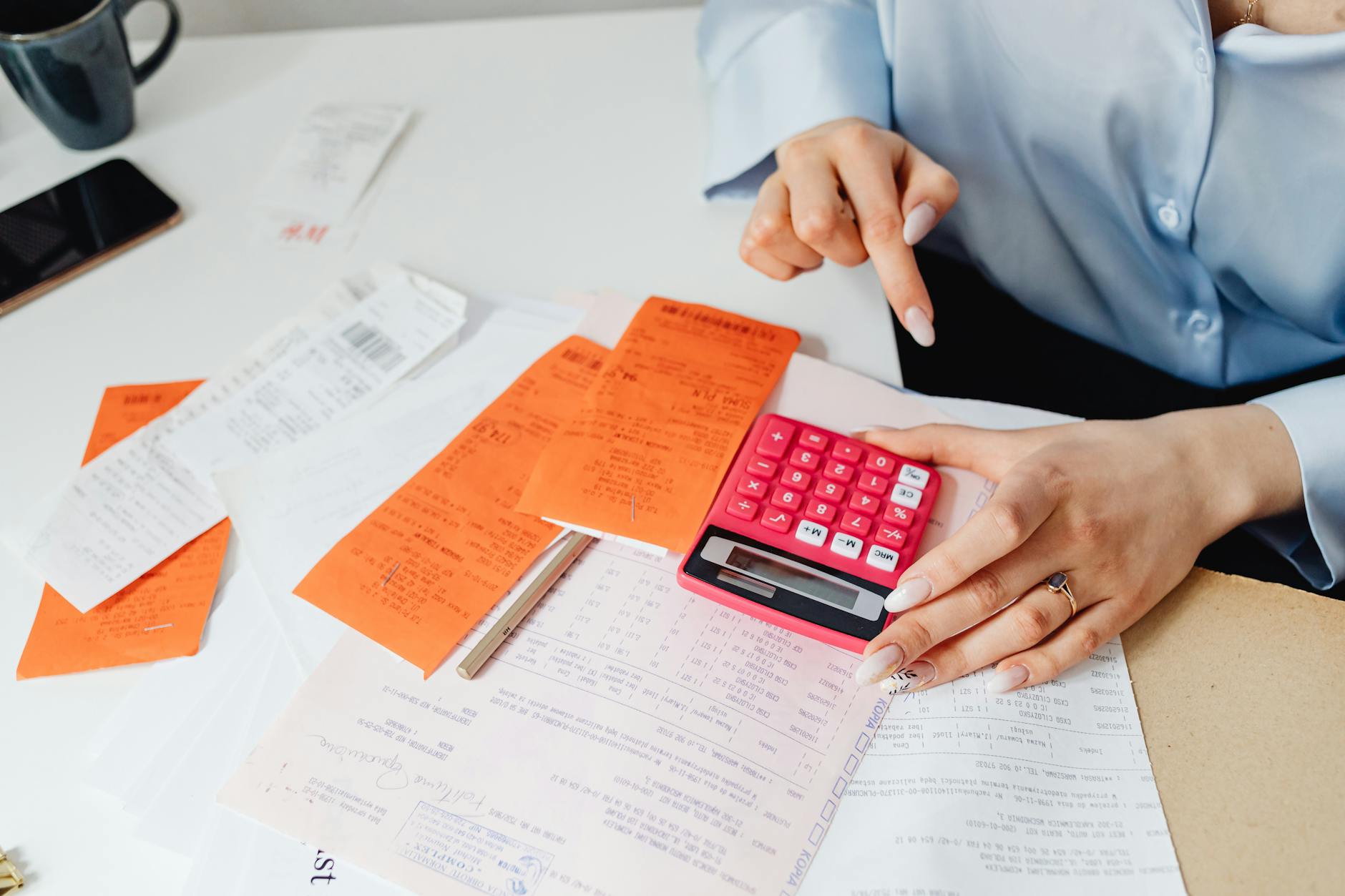
Accountant fees for a small business in the UK vary significantly depending on your structure, turnover, and the services you need. For 2025/26, a typical sole trader paying for a basic self assessment return will pay between £150 and £350 per year. A limited company director with a standard set of accounts, corporation tax return, and personal tax return will pay between £1,200 and £2,400 per year. A partnership with two partners and a basic bookkeeping package will fall somewhere in the middle.
These are the headline numbers. But the real question is what you get for your money, and whether you are overpaying or underpaying for your specific situation. We work with UK businesses of every shape and see the full range of pricing. This guide explains what drives the cost and what you should expect to pay in 2025/26.
What Determines Accountant Fees for a Small Business?
No two small businesses pay the same fee. The price an accountant charges depends on five main factors:
- Your business structure. A sole trader filing a self assessment return is the cheapest engagement. A limited company with annual accounts, a CT600 corporation tax return, payroll, and VAT is more expensive.
- Your turnover and transaction volume. More transactions mean more bookkeeping work. A freelance consultant with 30 invoices a year pays less than a retailer processing 500 transactions a month.
- Your record-keeping quality. If you hand over a shoebox of receipts in June, expect a premium. If you use Xero or FreeAgent with bank feeds reconciled monthly, the cost drops.
- Additional services. VAT returns, payroll, company secretarial, R&D tax credit claims, and personal tax planning all add to the fee.
- Your location. A firm in central London or the City of London will charge more than a firm in Sheffield or Glasgow. Remote-only firms often sit between the two.
We will work through each structure and give you the typical ranges for 2025/26.
Sole Trader Accountant Fees (2025/26)
Sole traders have the simplest requirements. You need a self assessment tax return (SA100 with SA103 self-employment pages) filed each year by 31 January. That is it for compliance. There is no separate company accounts, no corporation tax, no PAYE scheme unless you employ staff.
Typical fees for a sole trader in 2025/26:
- Basic self assessment only: £150 to £350 per year. This assumes you keep your own records and provide a summary of income and expenses.
- Self assessment plus bookkeeping: £80 to £150 per month (£960 to £1,800 per year). The accountant handles the bookkeeping, usually in Xero or QuickBooks, and files the return.
- Self assessment plus VAT returns: £100 to £200 per month (£1,200 to £2,400 per year). This covers quarterly VAT returns and the annual self assessment.
A sole trader turning over £40,000 with clean records and no VAT will typically pay £250 to £300 for the annual return. A sole trader turning over £85,000 with a flat rate VAT scheme and monthly bookkeeping will pay £1,500 to £2,000 per year.
Limited Company Accountant Fees (2025/26)
Limited company accounting is more complex. You need annual statutory accounts (filed at Companies House), a CT600 corporation tax return (filed with HMRC), a confirmation statement, and usually a personal tax return for the director. Many directors also want payroll for their salary and dividend planning.
Typical fees for a limited company in 2025/26:
- Basic limited company package: £100 to £200 per month (£1,200 to £2,400 per year). This covers annual accounts, corporation tax return, confirmation statement, and one director's personal tax return. You handle your own bookkeeping.
- Limited company with bookkeeping: £150 to £350 per month (£1,800 to £4,200 per year). The accountant does the bookkeeping in cloud software, processes payroll, files VAT, and handles all compliance.
- Limited company with full management accounts: £300 to £600 per month (£3,600 to £7,200 per year). This adds quarterly or monthly management accounts, cash flow forecasting, and regular tax planning meetings.
A single-director consultancy turning over £80,000 with basic bookkeeping will pay around £150 per month. A 4-employee software company in Manchester turning over £420,000 with payroll, VAT, and regular management accounts will pay £400 to £500 per month.
Partnership Accountant Fees (2025/26)
Partnerships sit between sole traders and limited companies in complexity. You need a partnership tax return (SA800) plus individual self assessment returns for each partner. The partnership itself does not pay tax, but the allocation of profits between partners adds work.
Typical fees for a partnership in 2025/26:
- Two-partner partnership, basic: £600 to £1,200 per year. Covers the partnership return and two personal returns. You keep your own records.
- Two-partner partnership with bookkeeping: £150 to £250 per month (£1,800 to £3,000 per year). Includes bookkeeping, partnership return, and personal returns.
- Larger partnership (3+ partners) with VAT: £200 to £400 per month (£2,400 to £4,800 per year). More partners means more personal returns and more profit allocation work.
VAT Returns and Payroll: What They Add
VAT returns add roughly £30 to £60 per quarter to a standard fee. If you are on the flat rate scheme and your records are clean, the accountant spends about 20 minutes per quarter on the return. If you are on standard VAT accounting with complex partial exemption or reverse charges, expect more.
Payroll for a single director adds £20 to £50 per month. For a business with 5 to 10 employees, expect £50 to £100 per month. This covers RTI submissions, P32 calculations, P60s, P45s, and the annual P11D(b) for benefits in kind.
If your payroll is simple (one director, salary at £12,570, no benefits), many accountants include it in the monthly package at no extra cost.
One-Off Fees and Additional Services
Some services are charged separately from the monthly or annual retainer:
- Company formation: £50 to £200, depending on whether you use a standard or bespoke memorandum.
- R&D tax credit claim: £500 to £2,500, often taken as a percentage of the claim (20% to 30% is common). Our R&D tax credits page has more detail on what qualifies.
- Capital gains tax planning: £300 to £1,000 for a one-off consultation and return.
- HMRC enquiries or investigations: £150 to £400 per hour, depending on complexity.
- Business Asset Disposal Relief (BADR) planning: £500 to £2,000, depending on the complexity of the share structure.
- Incorporation: £500 to £1,500 to transfer a sole trade or partnership into a limited company. Our incorporation page covers the process in more detail.
How to Compare Accountant Fees for a Small Business
Price is only one factor. A cheap accountant who misses a filing deadline costs you more in penalties than you saved in fees. Companies House late filing penalties start at £150 for a private company one month late, rising to £1,500 for six months late. HMRC penalties for late self assessment start at £100 and escalate.
When comparing accountant fees for a small business, ask these questions:
- What is included? Does the quoted fee cover the confirmation statement? Director's personal tax return? VAT returns? Payroll? Software licences?
- Who does the work? Is it a qualified accountant or an unqualified bookkeeper? If you need complex advice on IR35 or R&D credits, you want someone with the right qualifications.
- What software do they use? Most good firms use Xero, FreeAgent, or QuickBooks. If they ask you to print everything and post it, run.
- Do they offer a fixed fee? Fixed monthly fees are standard in the industry. Avoid firms that bill by the hour for recurring compliance work. Hourly billing creates a conflict of interest between thoroughness and cost.
- How responsive are they? A firm that takes a week to reply to an email is not worth the saving. You want someone who answers within 24 hours during working days.
We cover the fundamentals of what a good accountant should provide on our fundamentals page.
Check if and when MTD applies to you
Skip the spreadsheet. Tell us about your situation and a specialist will review your position and the next sensible step, with no obligation.
Is a Cheap Accountant a False Economy?
In most cases, yes. The difference between a £100 per month accountant and a £250 per month accountant is often the difference between someone who files your return and someone who proactively saves you tax.
A good accountant spots that you could claim the Annual Investment Allowance on that new van, or that your R&D activities qualify for a claim worth £15,000, or that your director's loan account is about to trigger a s.455 tax charge at 33.75% for loans made in 2025/26, rising to 35.75% for loans made from 6 April 2026. Those savings dwarf the fee difference.
If you are a limited company director paying yourself through a combination of salary and dividends, the dividend tax rates for 2025/26 are 8.75% (basic rate), 33.75% (higher rate), and 39.35% (additional rate). From 6 April 2026, the rates rise to 10.75% (basic rate), 35.75% (higher rate), and 39.35% (additional rate). The annual dividend allowance is £500. Getting the tax planning wrong costs thousands. Getting it right pays for the accountant many times over.
What You Should Not Pay For
Some things should be included in a standard fee:
- Software licences. Many firms include Xero or FreeAgent in their monthly fee. If they charge extra, ask why.
- Basic tax planning. A standard review of your dividend strategy, pension contributions, and capital allowances should be part of the annual service.
- Companies House filings. Confirmation statement and annual accounts filing are part of the compliance package.
- HMRC correspondence. Standard letters and queries from HMRC should be handled within the retainer. Investigations are separate.
If your accountant charges extra for every email or phone call, find another accountant.
How to Reduce Your Accountant Fees
You can lower your costs without sacrificing quality. The single biggest factor is your record-keeping. If you use cloud accounting software with bank feeds, reconcile transactions monthly, and categorise expenses correctly, your accountant spends half the time on your file.
If you are a sole trader with straightforward affairs, consider doing the bookkeeping yourself and paying for the annual return only. Most accountants will provide a template or a spreadsheet to make it easy.
For limited company directors, using FreeAgent or Xero with automated bank feeds and receipt capture (through Dext or similar) keeps the monthly fee at the lower end of the range. Our bookkeeping and compliance page has more detail on what good record-keeping looks like.
If your business is seasonal, some accountants offer reduced fees in quiet months. Ask about it.
Regional Variations in Accountant Fees
Location matters. A limited company package in London's Shoreditch or Canary Wharf will cost £200 to £400 per month. The same service from a firm in Sheffield's Kelham Island or Glasgow's Merchant City will cost £120 to £250 per month. Remote-only firms based outside major cities often charge between the two, typically £150 to £300 per month for a standard limited company.
If you do not need face-to-face meetings, a remote firm can save you money. Most communication happens over email, video calls, and cloud software anyway.
When to Pay More
Some situations justify paying above the average:
- Complex group structures. If you have multiple companies, associated companies, or overseas operations, you need a specialist.
- High-growth businesses. If your turnover is heading past £1M, you need quarterly management accounts and proper tax planning, not just annual compliance.
- R&D intensive businesses. R&D tax credit claims are complex and HMRC is scrutinising them more closely. Pay for a specialist who knows the merged R&D scheme and the ERIS rules for intensive SMEs.
- Contractors inside IR35. If you operate through a limited company but work inside IR35, your tax position is different. You need an accountant who understands off-payroll working rules, deemed employment payments, and the 5% allowance (if it still applies to you).
- Property businesses. If you own multiple rental properties through a limited company, the tax treatment of mortgage interest, capital allowances on furnishings, and the 60-day CGT property return add complexity.
What a Good Accountant Should Cost You in 2025/26
Here is a summary of typical accountant fees for a small business in 2025/26:
- Sole trader, basic self assessment: £150 to £350 per year.
- Sole trader with bookkeeping and VAT: £1,200 to £2,400 per year (£100 to £200 per month).
- Limited company, basic compliance: £1,200 to £2,400 per year (£100 to £200 per month).
- Limited company with bookkeeping and VAT: £1,800 to £4,200 per year (£150 to £350 per month).
- Limited company with full management accounts: £3,600 to £7,200 per year (£300 to £600 per month).
- Partnership (two partners), basic: £600 to £1,200 per year.
- Partnership with bookkeeping and VAT: £1,800 to £3,600 per year (£150 to £300 per month).
These are typical ranges for firms that are qualified and regulated by a recognised professional body. If you are paying significantly less, ask yourself what you are not getting. If you are paying significantly more, ask what extra value you are receiving.
If you want a tailored quote for your specific situation, get in touch with our team. We work with businesses across every sector and every structure, from sole traders in Bristol's Harbourside to limited companies in Leeds city centre. We will tell you exactly what you need and what it costs.